
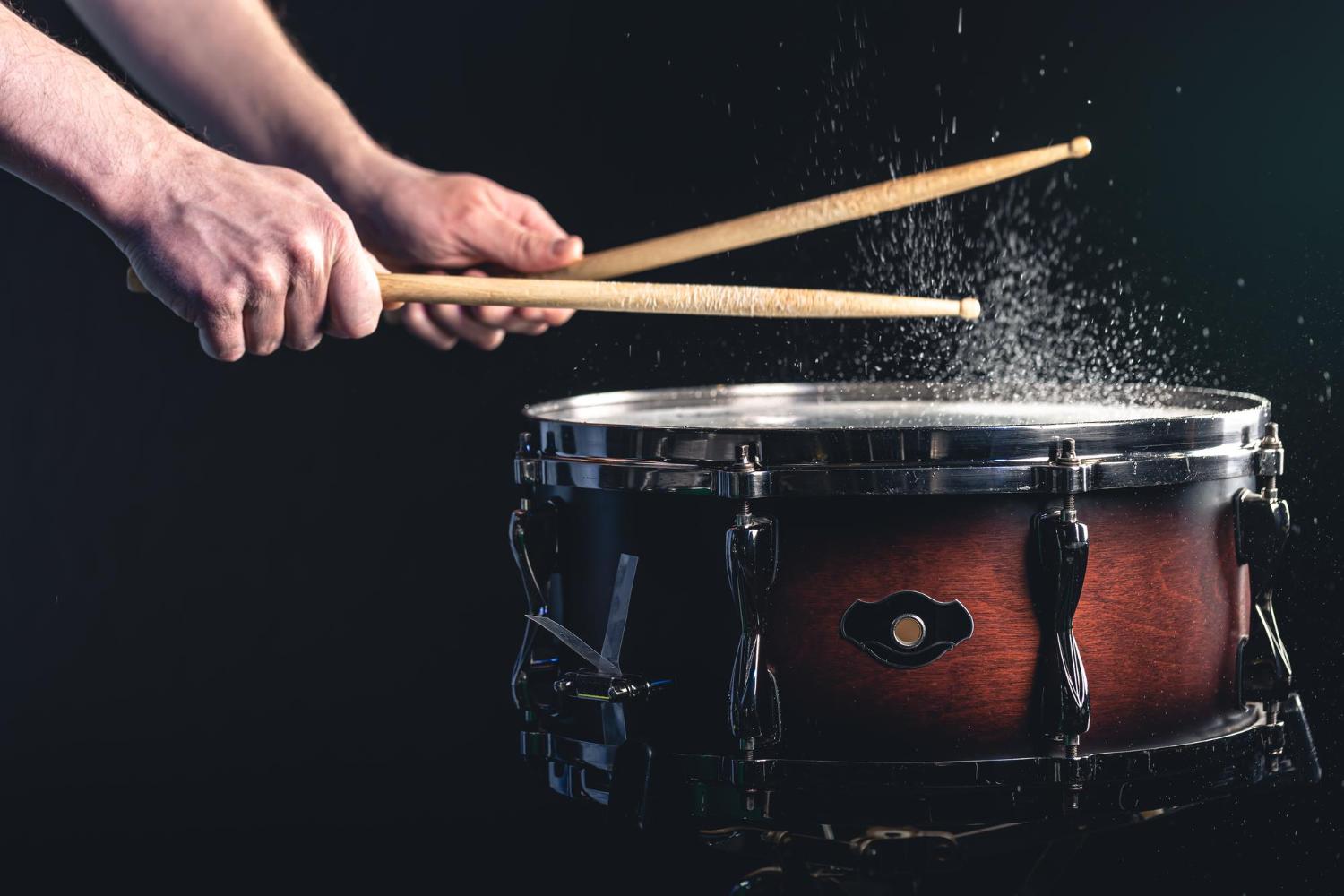
Hand percussion instruments have been integral to music traditions worldwide, offering a vibrant, dynamic rhythm and an unmatched sense of cultural connection. Whether it’s the rich tones of the conga, the sharp pulse of the djembe, or the soft shimmering of the tambourine, hand percussion is a versatile and accessible way to create captivating beats. This guide explores the essentials of hand percussion, its significance in musical landscapes, and practical tips to master these instruments.
The Versatility of Hand Percussion Instruments
Hand percussion instruments are varied in form and function, ranging from small, easy-to-handle tools to larger, complex drums. Their adaptability makes them suitable for many genres, including jazz, folk, pop, and traditional world music. These instruments often serve as the backbone of rhythm sections, bridging tempo and emotive expression seamlessly. Popular examples include bongos, cajóns, and frame drums. Musicians often embrace hand percussion instruments for their portability, ease of learning, and ability to infuse live performances with spontaneous energy.
How Hand Percussion Shapes Musical Identity
Historically, hand percussion played a pivotal role in strengthening cultural identities and traditions. Instruments such as the West African djembe or the Latin American conga carry more than just sound; they embody stories and histories passed down through generations. Additionally, modern music producers frequently use hand percussion sounds to add depth and organic texture to digital recordings. The instrument’s universal appeal lies in its ability to connect emotion and rhythm intuitively, often encouraging collaboration and experimentation in music-making.
Techniques to Master Hand Percussion
Learning hand percussion begins with understanding the basics of hand positioning, striking techniques, and rhythmic patterns. For instance, alternating open and muted tones provides variation and structure to a beat. Practicing with a metronome improves timing accuracy and consistency, key qualities for any percussionist. Aspiring players often benefit from group lessons where they can develop a keen sense of synchronization and interplay with other musicians. As skills advance, experimenting with dynamic contrasts and improvisation further refines artistry.
The Connection Between Hand Percussion and Wellness
Interestingly, playing hand percussion is not only a musical journey but also a therapeutic one. Studies show that rhythmic drumming can lower stress, enhance cognitive focus, and strengthen social bonds during group playing activities. Community drumming circles, for example, foster inclusivity and shared creativity, making hand percussion an uplifting avenue for emotional well-being.
Conclusion
Hand percussion remains a powerful and accessible tool for musicians and music enthusiasts alike. Whether played for professional performances, cultural preservation, or personal enjoyment, the timeless appeal of hand percussion ensures its role as a cornerstone in both traditional and modern music. Start exploring hand percussion yourself, and discover how its rhythms resonate emotionally and creatively at every beat.