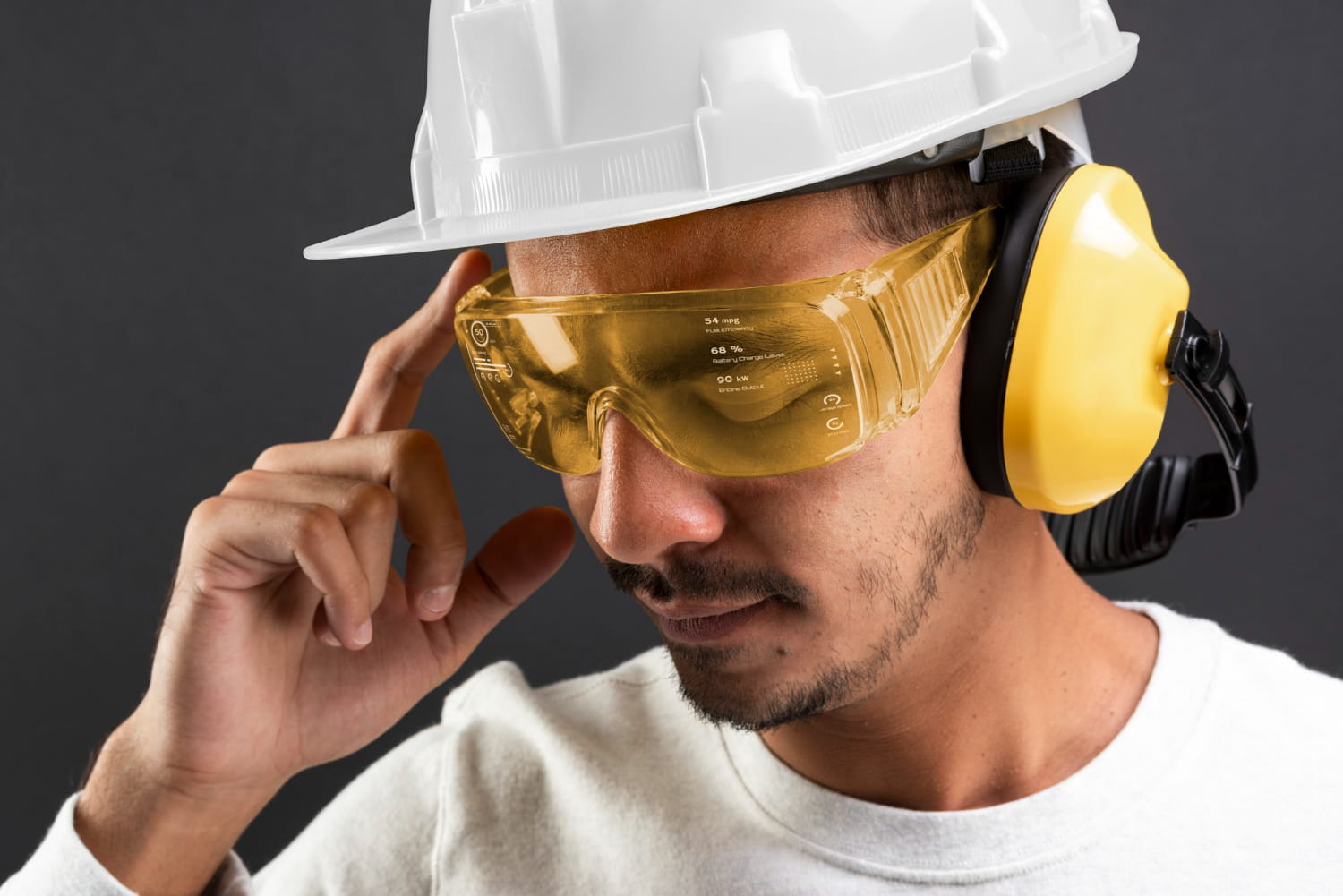
In any workplace where physical hazards are present, protecting the head is of paramount importance. The human head houses the brain—our body’s control center—and even a minor injury can have life-altering consequences. That is why head protection equipment is a vital component of personal protective equipment (PPE) in industries such as construction, mining, manufacturing, and warehousing. By ensuring employees are properly equipped with reliable head protection, businesses not only comply with safety standards but also safeguard the most valuable asset of all: human life.
Why Head Protection Equipment Matters
Workplace accidents are unfortunately common, and head injuries account for a significant portion of them. Falling objects, slips, collisions, and accidental impacts are everyday risks in many industries. Without the right protective gear, these incidents can lead to concussions, traumatic brain injuries, or even fatalities.
Head protection equipment—commonly in the form of safety helmets and hard hats—is designed to absorb impact and deflect falling objects, significantly reducing the severity of injuries. Beyond accident prevention, wearing protective headgear also instills a culture of safety and compliance among employees, reminding everyone of the importance of vigilance at work.
Types of Head Protection Equipment
The design of head protection has evolved significantly over the years. Today, there are specialized options available for different industries and working conditions:
- Hard Hats: Widely used in construction and industrial environments, hard hats are built to resist impact and penetration. Many models now include ventilation, adjustable harnesses, and compatibility with face shields or ear protection.
- Bump Caps: Lighter than hard hats, bump caps are designed for environments where there’s a risk of minor bumps or scrapes but not falling objects.
- Safety Helmets: Advanced versions that combine the sturdiness of hard hats with added features such as chin straps, shock absorption, and ergonomic designs, making them ideal for work at heights.
- Specialized Helmets: Industries such as welding, firefighting, or electrical work require helmets designed with specific protective features like heat resistance, electrical insulation, or flame-retardant materials.
Key Features to Look For
When selecting head protection equipment, certain features can make a big difference in comfort, usability, and safety:
- Impact Resistance: Ensures the helmet can withstand heavy blows.
- Adjustable Suspension Systems: Provide a secure and comfortable fit for long hours of use.
- Lightweight Materials: Reduce strain and fatigue during prolonged wear.
- Ventilation & Comfort Padding: Improve breathability and comfort, especially in hot environments.
- Accessory Compatibility: Allows integration with goggles, visors, or earmuffs for complete protection.
Choosing the right equipment depends largely on the hazards present in a particular workplace. A construction worker may require a durable, impact-resistant helmet, while someone in a warehouse may only need a bump cap for overhead clearance protection.
Regulations and Compliance
Occupational safety authorities worldwide emphasize the importance of proper head protection. Standards such as ANSI, OSHA, or EN specify testing and certification requirements to ensure helmets meet safety benchmarks. For businesses, investing in certified head protection equipment is not only a legal responsibility but also a moral one. It ensures that workers can perform their duties with confidence, knowing they are protected against avoidable risks.
Final Thoughts
Head protection is one of the simplest yet most effective safety measures in any high-risk environment. By providing workers with durable, comfortable, and certified head protection equipment, organizations reduce accidents, improve productivity, and foster a culture of safety.
Ultimately, protecting the head means protecting lives—and no cost or effort is too great when it comes to ensuring the well-being of the workforce.