
You’ve probably never thought twice about where that syrup in your Coke comes from, but liquid sugar has a proper journey before it ends up sweetening your drinks and snacks. It’s not just sugar stirred into water—there’s actual industrial processes involved, starting with muddy fields and ending in massive storage tanks.
Growing the Cane
Sugar cane needs heat and rain, so it grows in tropical places where it gets both. The plants shoot up ridiculously tall—sometimes taller than a house—and take over a year to be ready. Farmers watch the stalks, waiting until they’re packed with sugar. Cut too early and you lose money. Wait too long and the sugar content drops. Timing’s everything.
Harvesting Time
These days, massive machines tear through fields, cutting stalks and stripping leaves in one pass. Looks brutal but it’s efficient. Some smaller farms still do it by hand, particularly on hills where machines would tip over. Once it’s cut, the clock’s ticking—sugar levels start dropping immediately, so mills want it fast.
First Extraction
At the mill, enormous metal rollers crush the cane like a giant mangle. They squeeze it multiple times, spraying water between rounds to grab every drop of juice. The leftover fiber—bagasse—gets burned to power the mill or sold as cattle feed. Waste nothing, that’s the rule.
Clarification Process
Fresh cane juice looks like swamp water—cloudy, full of bits, not appetizing. Mills add lime and heat it up, which makes all the rubbish separate out. Skim off the floating gunk, drain the settled muck, and you’re left with clearer juice. Still not pretty, but better.
Boiling It Concentrated
The juice goes into vacuum evaporators that boil off water without scorching the sugar. Lower pressure means lower temperature, which matters because burnt sugar tastes rank. This concentrated syrup is where you’d normally spin out sugar crystals and separate molasses, but for liquid sugar they skip that bit.
Making the Final Syrup
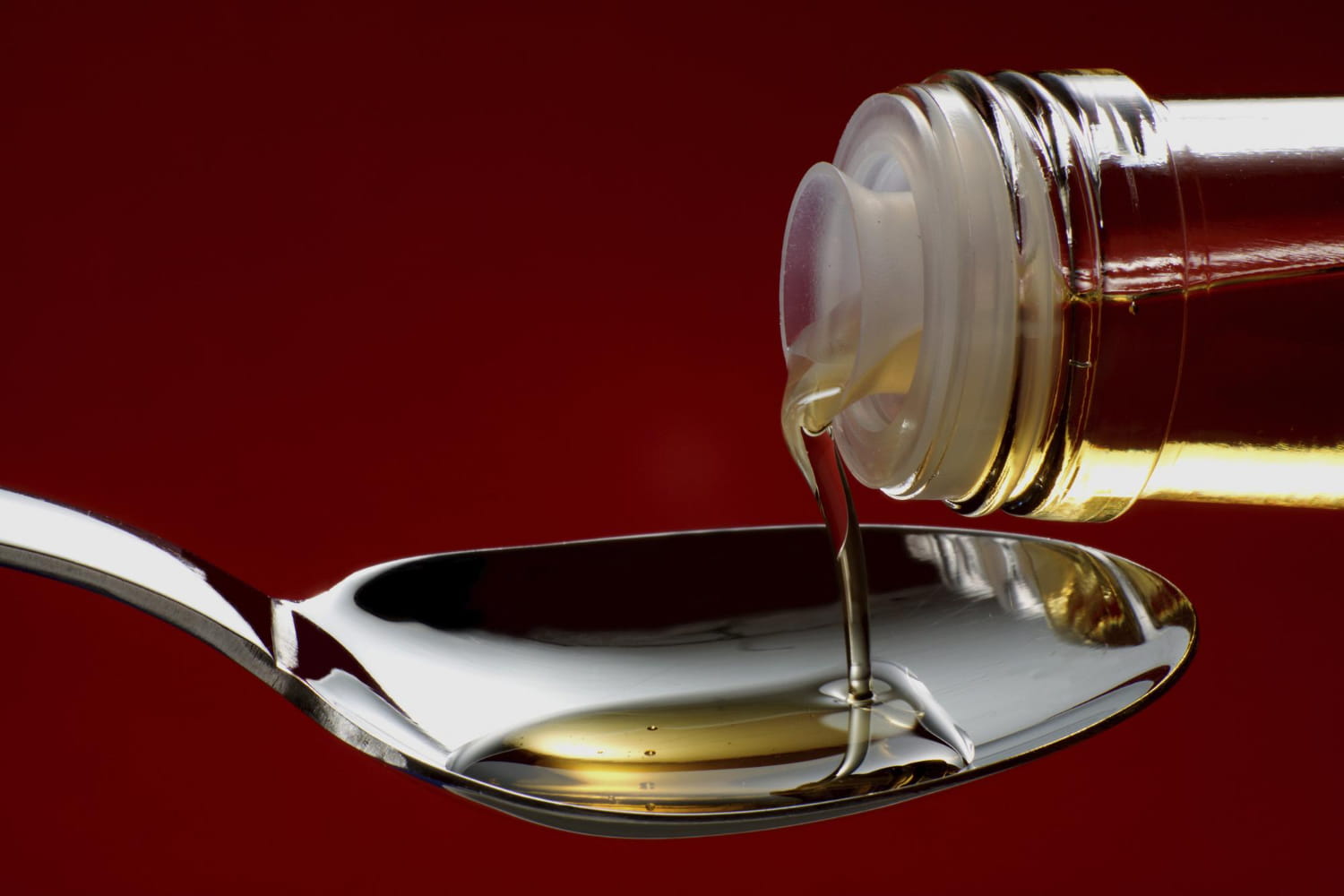
This is where liquid sugar specifically happens. Some producers dissolve refined sugar in filtered water to get exactly 67% sugar concentration. Others refine the concentrated juice directly to that same spec. Either way, they’re controlling sweetness, clarity, and consistency to industrial standards. Can’t have one batch different from the last.
Quality Control
Labs check samples constantly—sweetness levels, acidity, clarity, bacteria counts. Big food companies demand consistency. If your syrup varies batch to batch, their entire production line goes wonky. One dodgy tanker can ruin thousands of bottles of whatever they’re making.
Off to the Factories
Finished syrup gets pumped into tanker trucks or huge containers headed for bakeries, soft drink plants, and food factories. They prefer it to crystals because it’s easier—mixes instantly, measures accurately, doesn’t need dissolving. From cane field to factory took weeks, but now it’s ready to sweeten whatever mass-produced thing you’re buying next.