
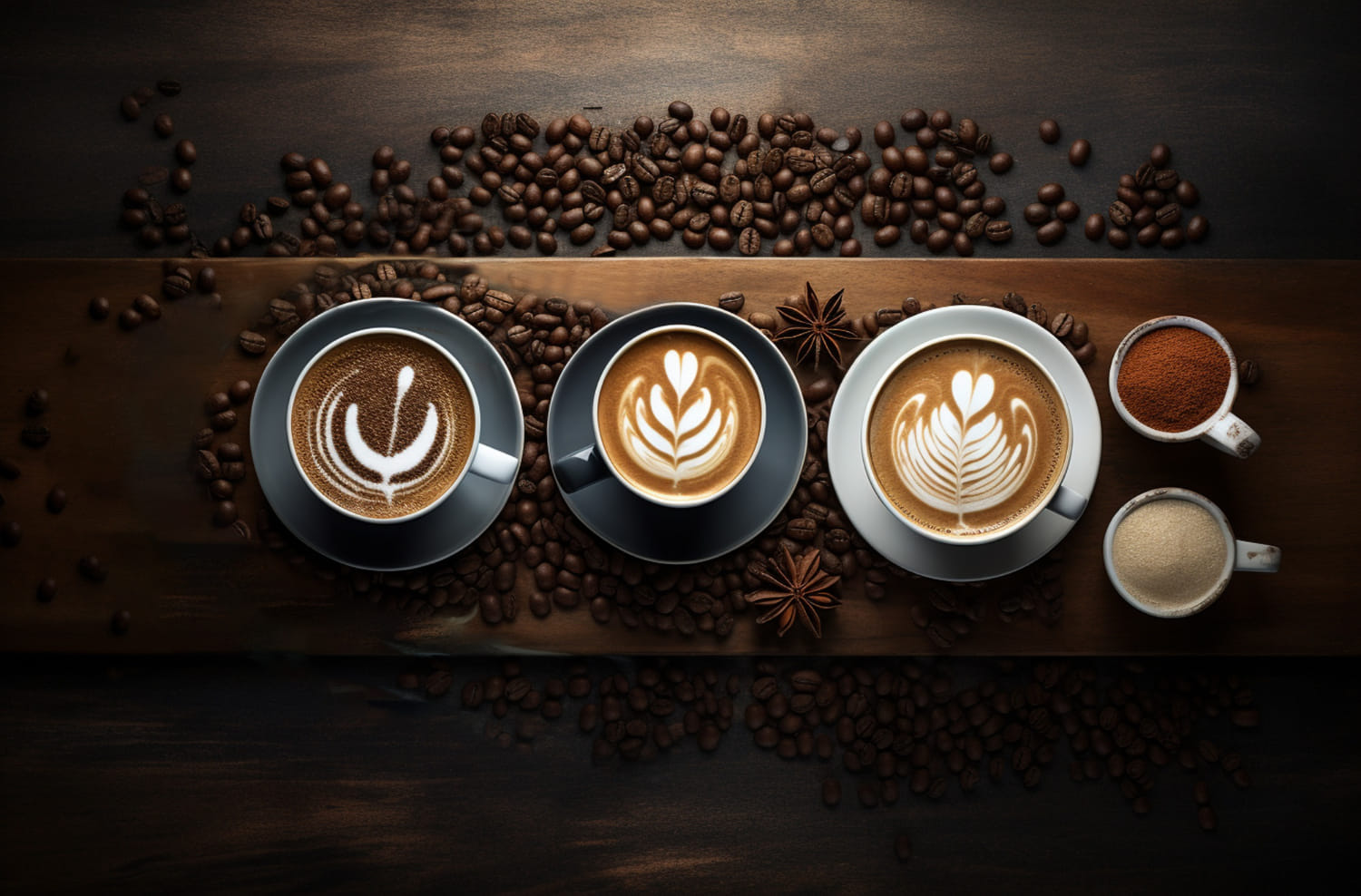
Your coffee tastes like cardboard for a reason. Those beans were probably roasted overseas half a year ago. They oxidised during a long sea journey, then sat gathering dust in some warehouse before making it to a shelf. Nobody checks roast dates because most assume coffee stays good indefinitely. That assumption costs you flavour every single morning. A coffee company in South Africa roasting locally changes everything because beans reach you whilst still fresh.
Degassing Changes Flavour
Roasted beans release carbon dioxide for days. Brew too early and the gas creates uneven extraction with sour tastes taking over. Leave it too late and all those aromatics disappear completely. There’s a narrow window where everything tastes right. Supermarket bags missed that window before they even reached the store. Local roasters time deliveries to hit peak flavour, which explains why identical beans taste different depending on purchase timing.
Microclimates Tell Stories
Farms across a single valley produce completely different flavours. Morning sun hits one hillside whilst afternoon shade covers another. Soil changes dramatically within metres rather than across vast distances. These tiny climate variations create distinct tastes that blending destroys. Serious roasters maintain direct relationships with particular farms and even specific plots. They’ll mention which hillside grew your beans because location genuinely matters.
Scoring Compresses Quality
Coffee gets rated on scales that compress quality differences into seemingly small gaps. Average beans and exceptional ones might score close together numerically. The taste gap between them is massive though. Higher scores required dramatically more sorting, better processing, and careful handling throughout. It mirrors wine ratings where numbers cluster near the top but tiny differences represent enormous quality jumps.
Development Ratios Matter Most
Temperature matters less than how long beans spend at certain heat levels during roasting. Rush the process and you get grassy, underdeveloped flavours. Drag it out excessively and everything turns to ash. The balance between drying time and development time determines whether you taste fruit or caramel. When buying premium coffee online, roasters discussing their development approach actually understand what they’re doing.
Processing Creates Flavours
Washed coffees taste clean because fermentation strips the fruit before drying happens. Natural processed beans taste like wine because they dry inside the whole cherry. Honey processing leaves some fruit mucilage attached, splitting the difference. Most commercial blends randomly mix these methods together, creating muddy flavour profiles. A proper coffee company in South Africa chooses processing deliberately to build specific taste experiences.
Temperature Pulls Different Things
Water temperature determines which flavour compounds dissolve into your cup. Hotter water extracts more bitterness from darker roasts. Lighter roasts need different temperatures but can taste weak if you go too cool. Generic brewing guides ignore roast level when giving temperature advice. Smart suppliers adjust recommendations based on how they’ve actually roasted your particular batch.
Conclusion
These factors separate boring coffee from genuinely good experiences. Sourcing premium coffee online means ignoring pretty bags and checking roast dates instead. Look for farm specifics, processing transparency, and varietal information. A real coffee company in South Africa discusses development approaches, microclimate influences, and genetic characteristics freely. These aren’t minor details. They control everything about taste. Once you’ve tried properly sourced beans roasted fresh by knowledgeable people, going back to stale supermarket coffee becomes impossible.