
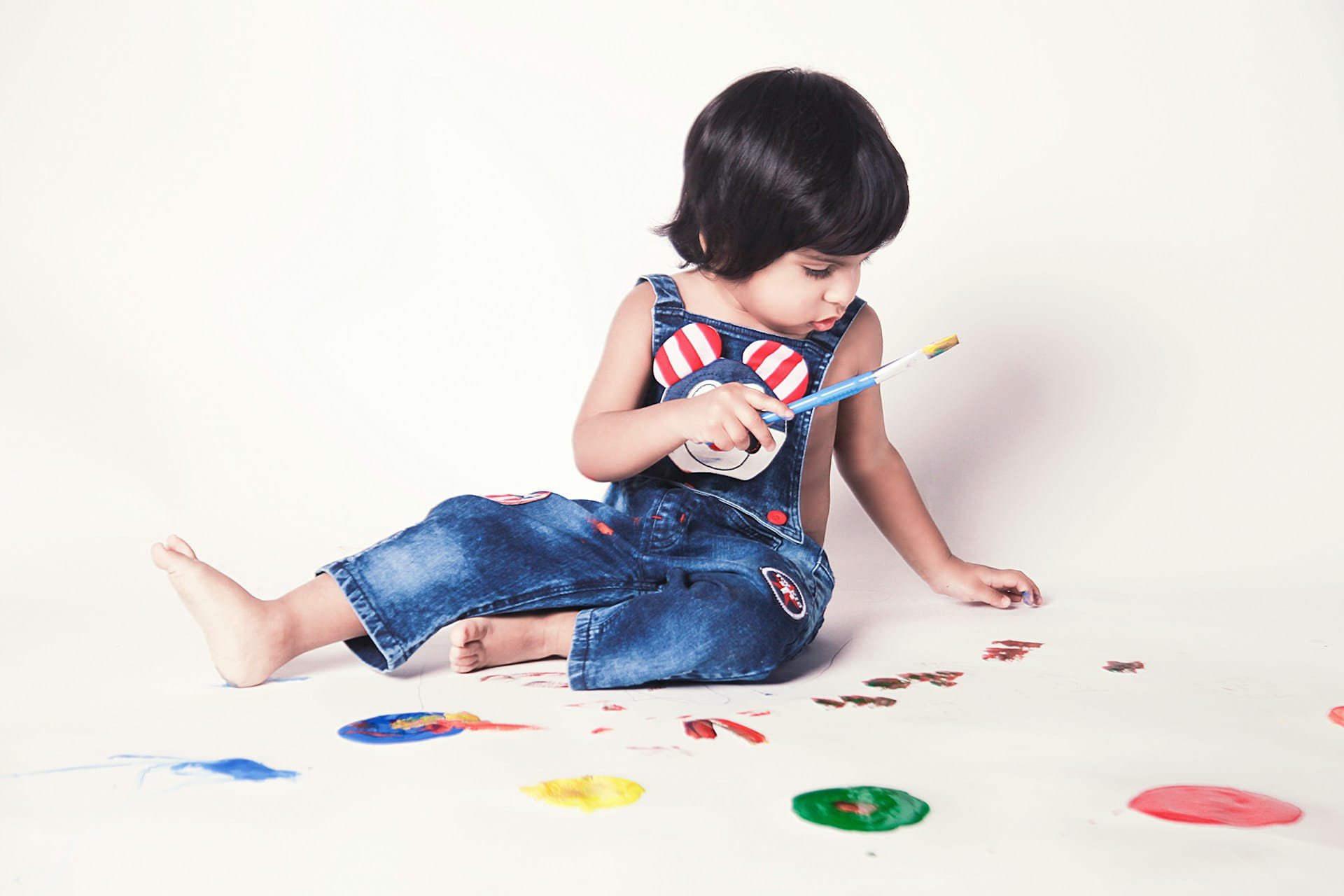
You ever walk into an early childhood centre and just feel the buzz of tiny voices, laughter, and paint-stained hands everywhere? That’s the good stuff — the real magic of early learning. It’s not about spotless floors or perfectly aligned crayons; it’s about those in-between moments where curiosity blooms and a sense of belonging starts to grow.
Choosing the right place for your child can be equal parts exciting and nerve-wracking. Every parent wants more than just supervision — they want a space where genuine childhood care exists, where educators don’t just “watch” kids but see them.
What an Early Childhood Centre Actually Does (Beyond Babysitting)
Let’s be honest — people sometimes underestimate what happens inside an early childhood centre. It’s not just nap time and snack breaks. It’s the foundation of learning and emotional development.
These centres weave learning into everything — counting during playtime, storytelling that builds language, even garden time that teaches responsibility. Kids are sponges, right? The best centres know that and use every opportunity to mix fun with growth.
You might see a group painting outside. Looks like a mess, sure, but that’s sensory development and creative exploration in action. Or kids building towers together — that’s early teamwork. The good educators know how to turn every moment into something meaningful without forcing it.
That’s what real childhood care looks like. It’s thoughtful, patient, and always focused on nurturing confidence from the inside out.
Why Early Learning Environments Matter
The environment in an early childhood centre is everything. Kids pick up cues from the space they’re in — the lighting, the colours, even how furniture is arranged. A warm, welcoming setup encourages curiosity and comfort.
In high-quality centres, you’ll often see:
- Natural play areas with textures like wood, sand, and water (screens can wait).
- Open-ended activities that let kids decide what to create, not follow a rigid plan.
- Caring educators who know every child’s quirks, fears, and favourite games.
- Small group learning, so each child gets noticed and heard.
This mix builds not just skills, but emotional intelligence. And that’s huge. Because before kids learn ABCs or 123s, they need to feel safe, understood, and loved.
The Heart of True Childhood Care
Here’s the part people don’t talk about enough — childhood care is not just supervision; it’s emotional guidance. It’s teaching empathy, patience, and resilience without even saying the words.
It’s an educator comforting a child missing their parent. It’s helping them share a toy, or solve a little conflict with kindness. These things sound small, but they shape who that child becomes later.
That’s why a great early childhood centre doesn’t rush learning — it allows it to unfold. The focus is on nurturing the whole child — their body, mind, and feelings — at their own rhythm.
How to Spot a Centre That Feels Right
When you visit an early childhood centre, you’ll know if it’s the right fit. Look for:
- Genuine smiles — from both kids and educators.
- Noise — the good kind, full of chatter and discovery.
- Artwork that’s actually made by children (not Pinterest-perfect decorations).
- Teachers who kneel to a child’s level when they talk.
- A sense of calm chaos — because a little mess usually means a lot of learning.
The best childhood care spaces feel like a second home. Not perfect, but warm. Not fancy, but full of heart.
Final Thoughts
At its core, an early childhood centre is more than a building with toys. It’s a space where little humans begin to understand the world — where they first make friends, express feelings, and realise they’re capable of amazing things.
And that’s the beauty of quality childhood care — it plants seeds for empathy, curiosity, and lifelong learning. The walls may hold tiny chairs and colourful drawings, but what really matters is the love and patience that fill the gaps between them.
Because in those gaps — between giggles and glue sticks — the future quietly takes shape.