
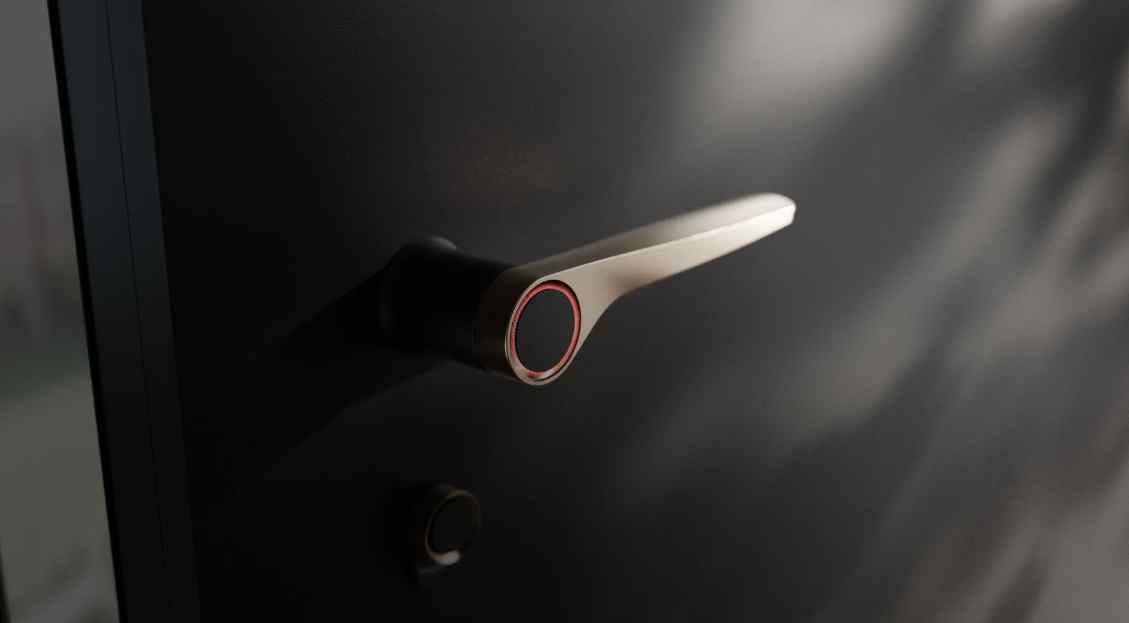
The worst time to think about door hardware is when the plasterer has just finished and the painter is booked for next week. Door hardware — handles, locks, hinges, closers, stops, seals — involves decisions that affect how every door in the building operates for the next twenty years. Made at the right stage of a project, these decisions are straightforward. Made at the end, when the budget is stretched and the timeline is tight, they tend to get resolved by buying whatever’s available rather than whatever’s right.
When you buy door accessories in NZ for a new build or renovation, the sequence matters. Hardware is specified before fixing positions are set, because the fixing positions depend on the hardware. It’s ordered before fit-out begins, because delivery lead times for specific products can affect the programme.
Starting With the Door Schedule
A door schedule is a table listing every door in the project — its location, size, material, swing direction, and the hardware required. Working from a door schedule when specifying door hardware means every door gets the right product. External hinged doors get the right lock specification, closer rating, and security hardware. Sliding doors get the correct roller and lock combination for their weight and track configuration.
Doric’s product range is organised by door type — hinged door locks and handles, sliding door locks and handles, window hardware, rollers, closers, seals, security hardware — which makes the door schedule approach practical: work down the schedule, select the right Doric product category for each door type, and specify accordingly.
The Hardware Categories Most People Specify Correctly — and the Ones They Don’t
Locks and handles get specified correctly on most projects because they’re the most visible hardware. Hinges get less attention and more specification errors. The most common: wrong load rating for the door weight, wrong size for the door thickness, and hinge positions not coordinated with the framing before the frame was set. Specifying a residential-grade hinge on a commercial-weight external door is a specification error that shows up in performance rather than in an obvious failure.
Door closers get specified on commercial and high-use residential projects but often omitted on standard residential fit-outs. The practical case for closers on external residential doors is energy management and wear prevention. Doric’s closer range covers DC4000, DC5000, and DC6000 surface-mounted models across the residential and commercial load range.
Seals and weather strips are consistently underspecified. The gap at the bottom of an external door, the acoustic seal on a bedroom door, the weather seal on an aluminium sliding door — these are components that affect thermal performance, acoustic performance, and weather resistance throughout the building’s life.
Matching Hardware to Aluminium Joinery
New build residential projects in Auckland are almost exclusively aluminium joinery, and the hardware specification needs to account for this. Aluminium joinery has tighter tolerances than timber, and hardware that doesn’t match the specific extrusion profile either doesn’t fit correctly or fits but stresses the joinery.
Doric’s product range cross-references against major NZ aluminium extrusion systems including Vantage and Altherm — which means the correct hardware can be identified by system rather than by physical trial and error. For builders and joiners ordering hardware for an aluminium fit-out, this cross-referencing is the difference between ordering with confidence and ordering with fingers crossed.
Frequently Asked Questions
When in a build project should door hardware be specified?
Before fixout — ideally at the same time as the door schedule is being developed and joinery is being ordered. Hardware delivery lead times for specific products can be four to six weeks, which needs to be accounted for in the programme. Hardware specified at practical completion is hardware that may not be available when it’s needed.
Does all door hardware in NZ need to meet specific standards?
Yes. E3/AS1 and E2/AS1 cover weather resistance requirements for external applications. Residential door locks need to meet the security requirements of NZS 4213 for certain applications, particularly for insurance purposes. Doric’s product documentation specifies which products meet applicable NZ standards.
Can door hardware be specified on a budget without compromising security or durability?
Yes — by choosing the right product tier for each application rather than specifying premium products throughout. External entry locks warrant investment in quality mechanisms and marine-grade materials. Internal bedroom doors don’t require the same specification. Matching the product grade to the application level produces a cost-effective overall specification without compromise where it matters.
Does Doric supply direct to builders and trades?
Yes — trade accounts are available for builders, joiners, and renovation contractors with regular hardware needs. NZ-wide delivery for individual orders, or collection from the Auckland warehouse.
The Specification That Saves the Project
When you buy door accessories in NZ with a door schedule approach — the right product for each door type, ordered early enough to land on site when it’s needed — the hardware decision that gets made in ten minutes at the end of a project is replaced by one that takes longer and saves more.
Doric New Zealand stocks a complete range of door accessories for new builds and renovations — lever handles, hinges, closers, locks, seals, and hardware for aluminium and timber joinery. Browse at doric.co.nz.