
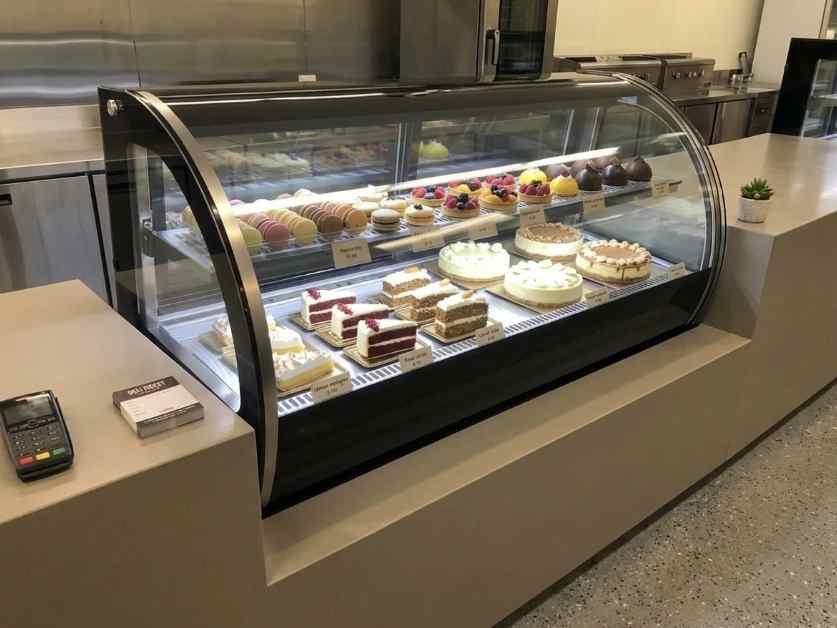
Most shops that search for a display fridge for sale already know the size they want, but not the type. Glass-door, serve-over and open-front units each solve a different problem, and the wrong pick costs you in spoiled stock or high power bills. Butchery fridges add another layer, because raw meat needs steady cold and surfaces that wipe clean.
Which Display Fridge Types Can You Choose From?
There are three common types for a shop floor. Each one suits a different product and a different way of selling.
Upright glass-door fridge
- Pros: holds a lot of stock in a small floor area, and the doors help keep the cold in.
- Cons: customers must open a door to reach items, which slows impulse buying.
Serve-over counter
- Pros: staff serve from behind the glass, so product stays protected and you can cut and weigh to order.
- Cons: it needs a staffed counter and more floor space than an upright unit.
Open-front display
- Pros: shoppers can grab items quickly, which suits packed goods and ready meals.
- Cons: cold air spills out, so it works harder and needs a stable room temperature.
What Should Butchery Fridges Do Differently?
Butchery fridges must keep raw meat cold, visible and clean. A serve-over counter is the usual choice, because the butcher can cut, weigh and serve from behind glass.
Look at the shelf or tray surface, since it will meet blood and juices every day. Smooth, easy-to-wipe surfaces save time at closing. Keep raw meat apart from cooked or ready-to-eat items, ideally in separate units. A separate cold room or upright unit for stock behind the counter takes pressure off the display.
How Do You Pick the Right Display Fridge for Sale?
Start with what you sell and how customers buy it. Then match the unit to that behaviour.
- A corner shop selling cold drinks and dairy: an upright glass-door unit.
- A butchery or deli that cuts to order: a serve-over counter.
- A shop selling grab-and-go meals: an open-front display.
CaterWeb is a Johannesburg supplier whose meat and deli display fridges run from compact 900mm units up to about 2.5m, with square, flat or curved glass. They suit delis, butcheries, cafes and restaurants. Delivery can be arranged.
What Should You Check Before You Buy?
Check the practical limits first, because they are the ones that cause expensive surprises.
- Measure the doorway and the delivery route, not only the spot where the unit will stand.
- Confirm the plug point and that the circuit can carry the load.
- Leave space around the unit so air can reach the condenser.
- Think about lighting, since good lighting makes meat and baked goods look fresher.
Frequently Asked Questions
Can one fridge display meat and dairy together?
It is better not to. Raw meat should sit apart from dairy and ready-to-eat food to avoid cross contamination. If space is tight, use separate shelves with trays, but a dedicated unit for raw meat is the safer choice.
Should I buy a glass-door or open-front fridge?
Choose glass-door if you want lower running effort and tidy stock, and open-front if speed of purchase matters most. Open-front units suit busy grab-and-go shops with a cool room, while glass-door suits most general retail.
How much space does a serve-over counter need?
Plan for the counter plus working room for staff behind it, and room for customers in front. Measure the full footprint, then add clearance around the sides and back so the unit can breathe and be cleaned.